Balls *and* Brains: The Science and History of Offal
The Vergecast megaphone.fm
This is what was read here when it was published. Cynthia Graber and Nicola Twilley no longer carries it in what it publishes now.
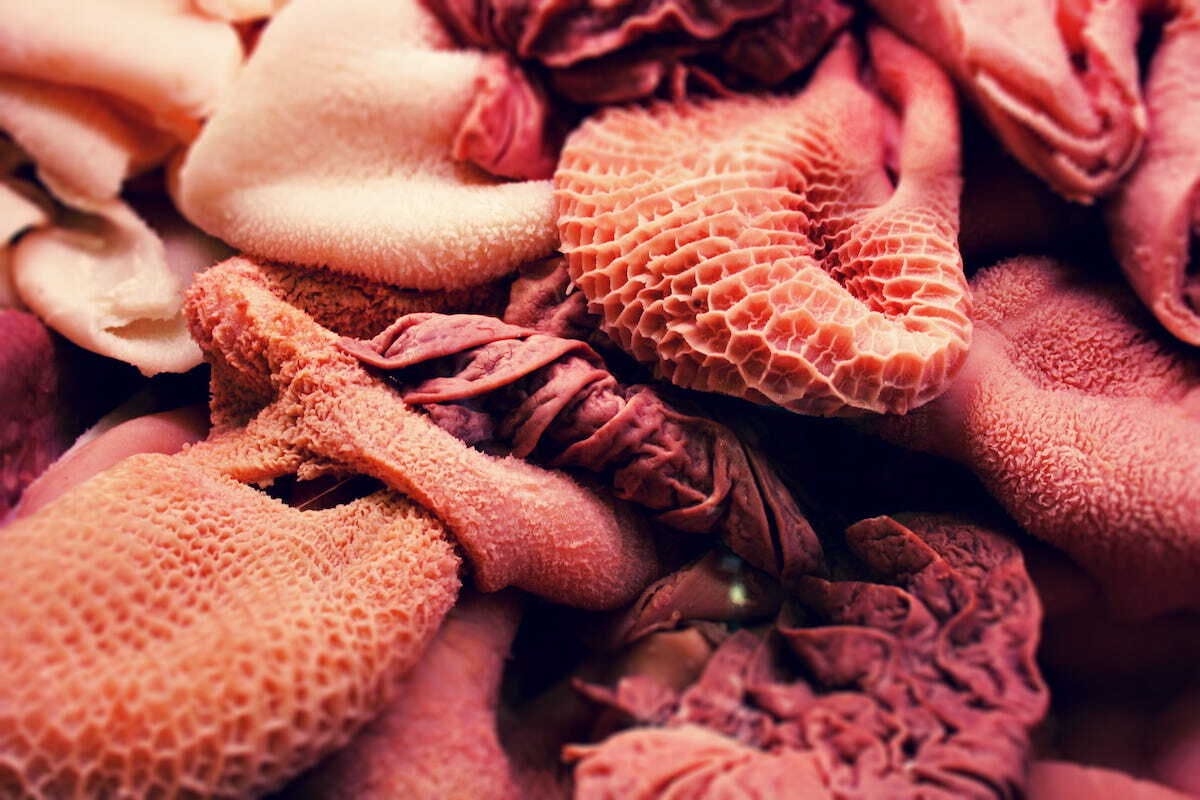
It’s pretty rare to find organ meat on the dinner table in most American households today, but 90 years ago, the earliest editions of The Joy of Cooking contained dozens of recipes for liver, sweetbreads, and even testicles. For much of history, offal (as organ meat is called) was considered the best part of the animal—so what happened? Why are brains banned in the UK and lungs illegal to sell in the US, and why are Scottish haggis-makers up in arms about it? And the question we’re sure you’ve all been pondering: What do testicles taste like?
With the help of Jonathan Reisman, author of the new book The Unseen Body: A Doctor's Journey Through the Hidden Wonders of the Human Anatomy, we explore how the vital functions of various animal organs affect their flavor and taste. Jon’s wife, Anna Wexler, also an academic and a writer, joins us to impart the wisdom she’s gained from years as a judge at the World Testicle Cooking Championship (aka Test Fest). We learn about the culinary history of offal from cookbook author Jennifer McLagan, and butcher Sam Garwin comes over to help us prepare up a massive organ meat feast: a Norwegian heart and lung pate (yes, we scored some lung!); a Georgian testicle stew; rabbit, chicken, and beef…
More ways to use this
Open on another device

Scan to open this page. Your saved notes and account access are not included.
 Caribbean Tamarind balls